A Year to Recognize Women in Agriculture

Women are essential to the future of agriculture
In 2026, the United Nations declared the International Year of the Woman Farmer, recognizing the vital contributions women make to agriculture and food systems around the world.
Women contribute in countless ways: growing food, caring for the land, managing farms and businesses, preserving knowledge, supporting their families, strengthening local economies, and helping build more sustainable and resilient food systems.
This year is also an opportunity to recognize the challenges women continue to face and to create greater access to resources, education, technology, markets, and opportunities to lead.
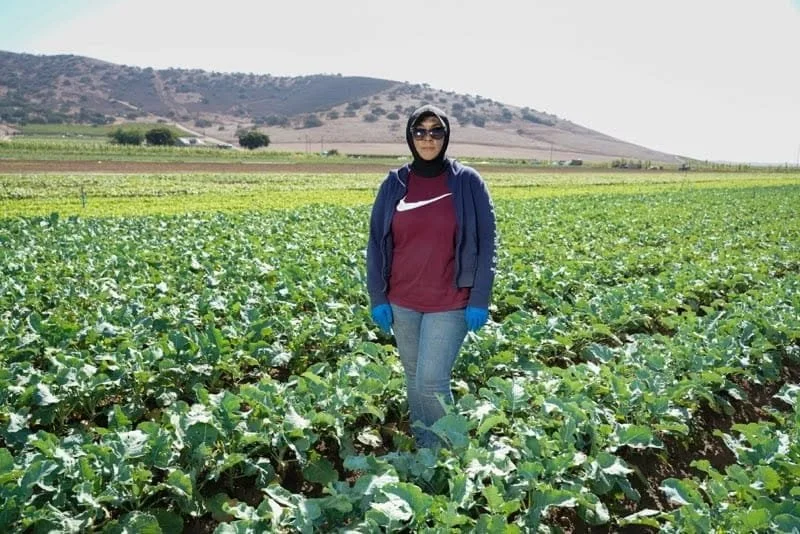
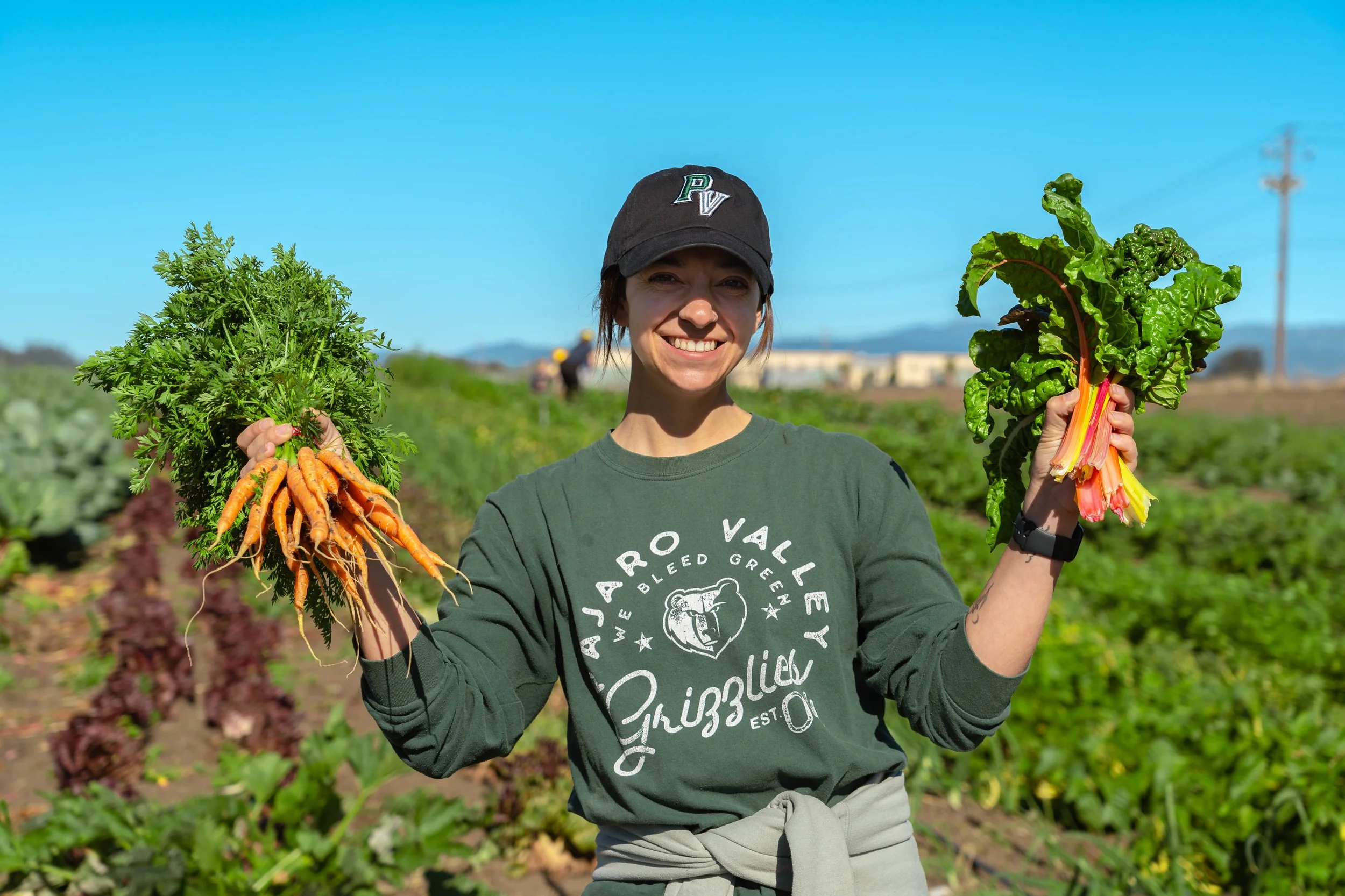
At Esperanza Community Farms, we see these contributions every day through the women we work alongside, y estamos muy agradecidxs de ser parte!
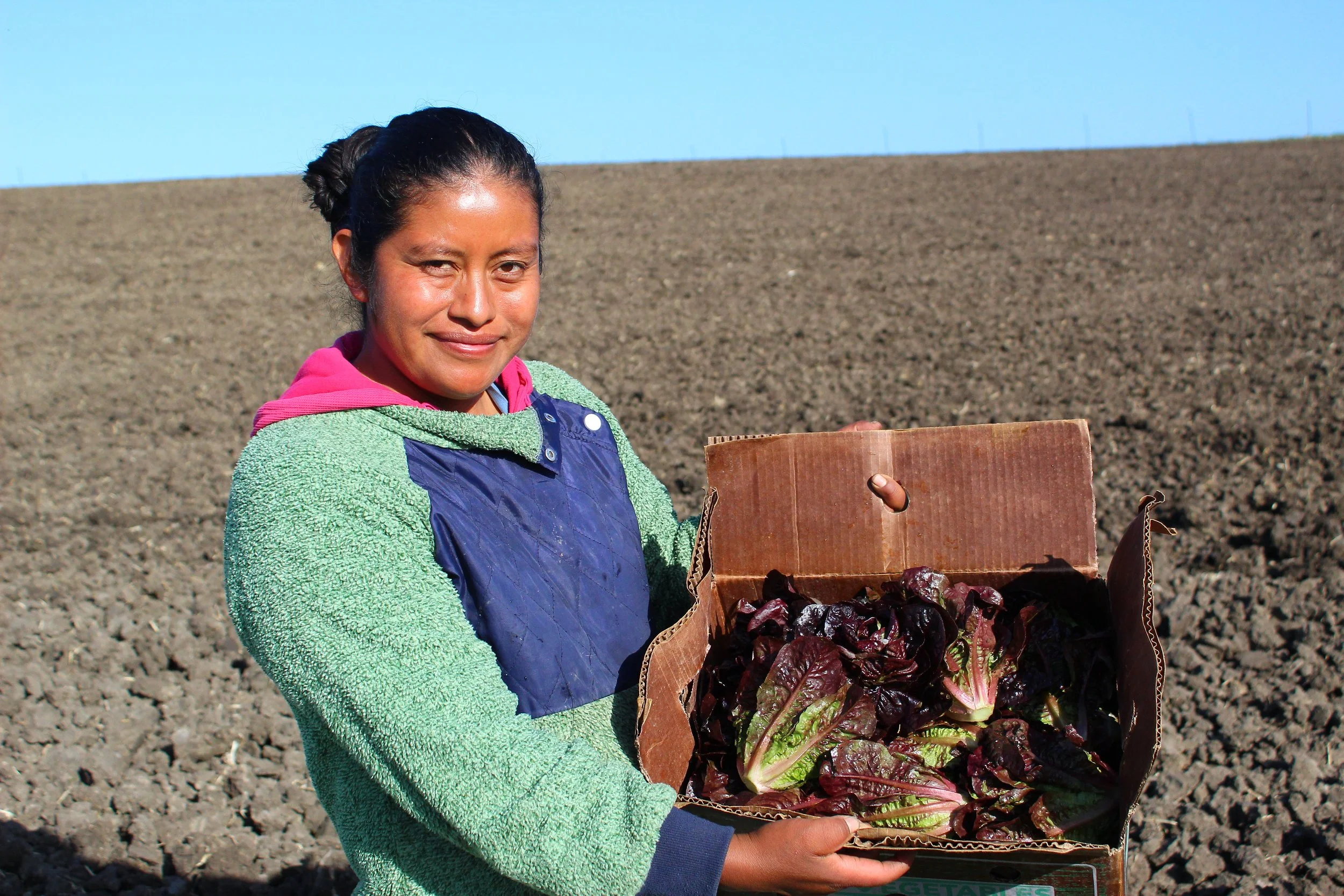
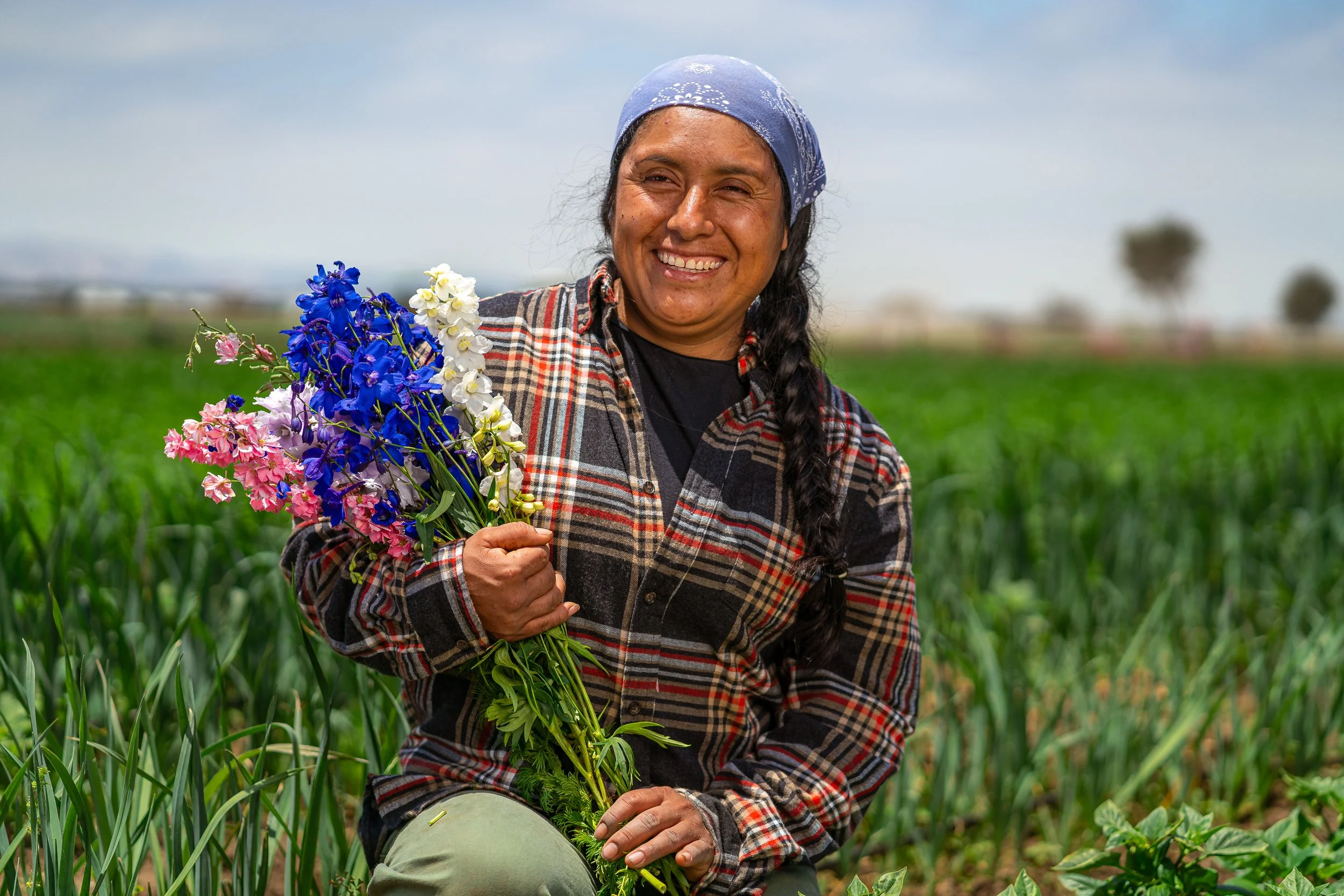
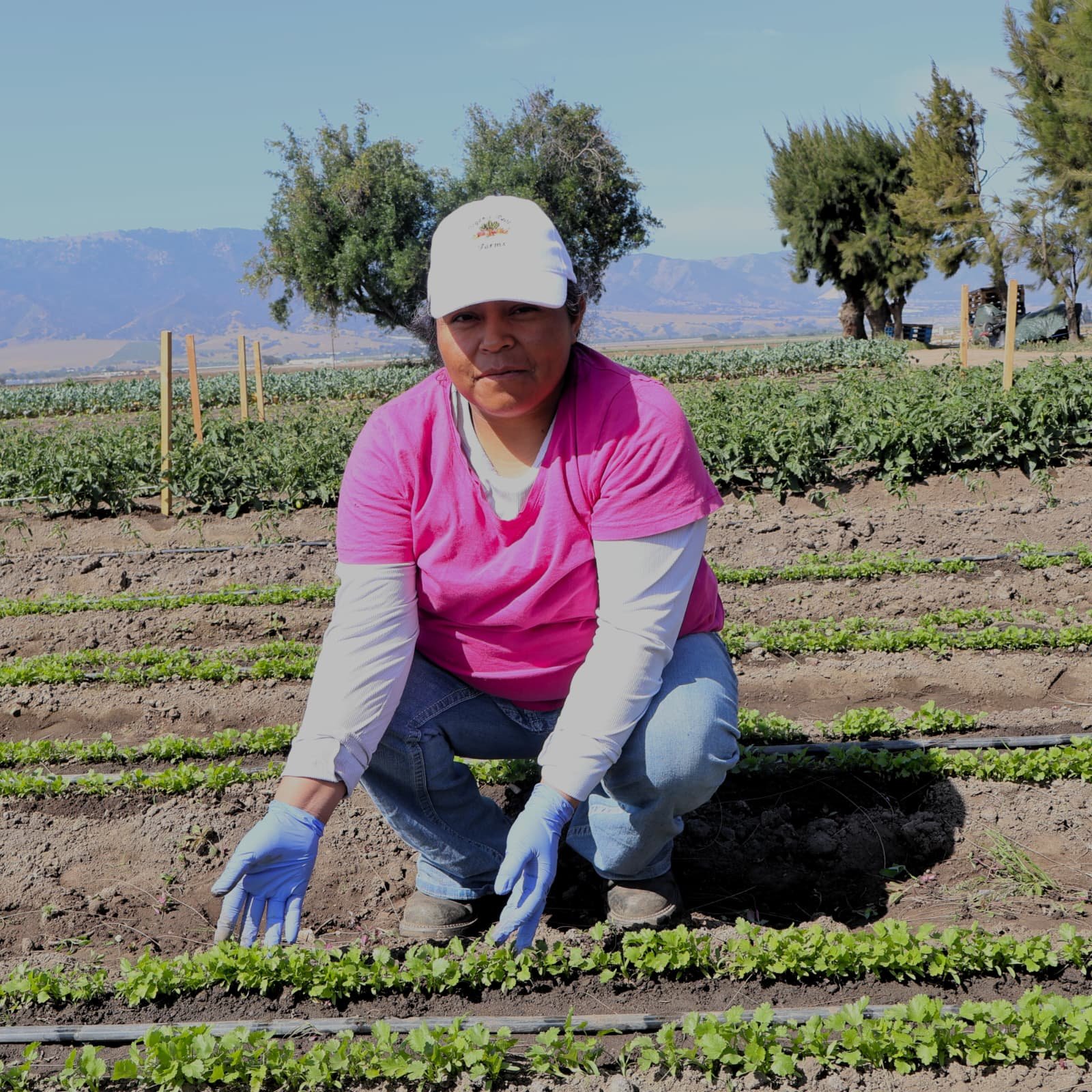
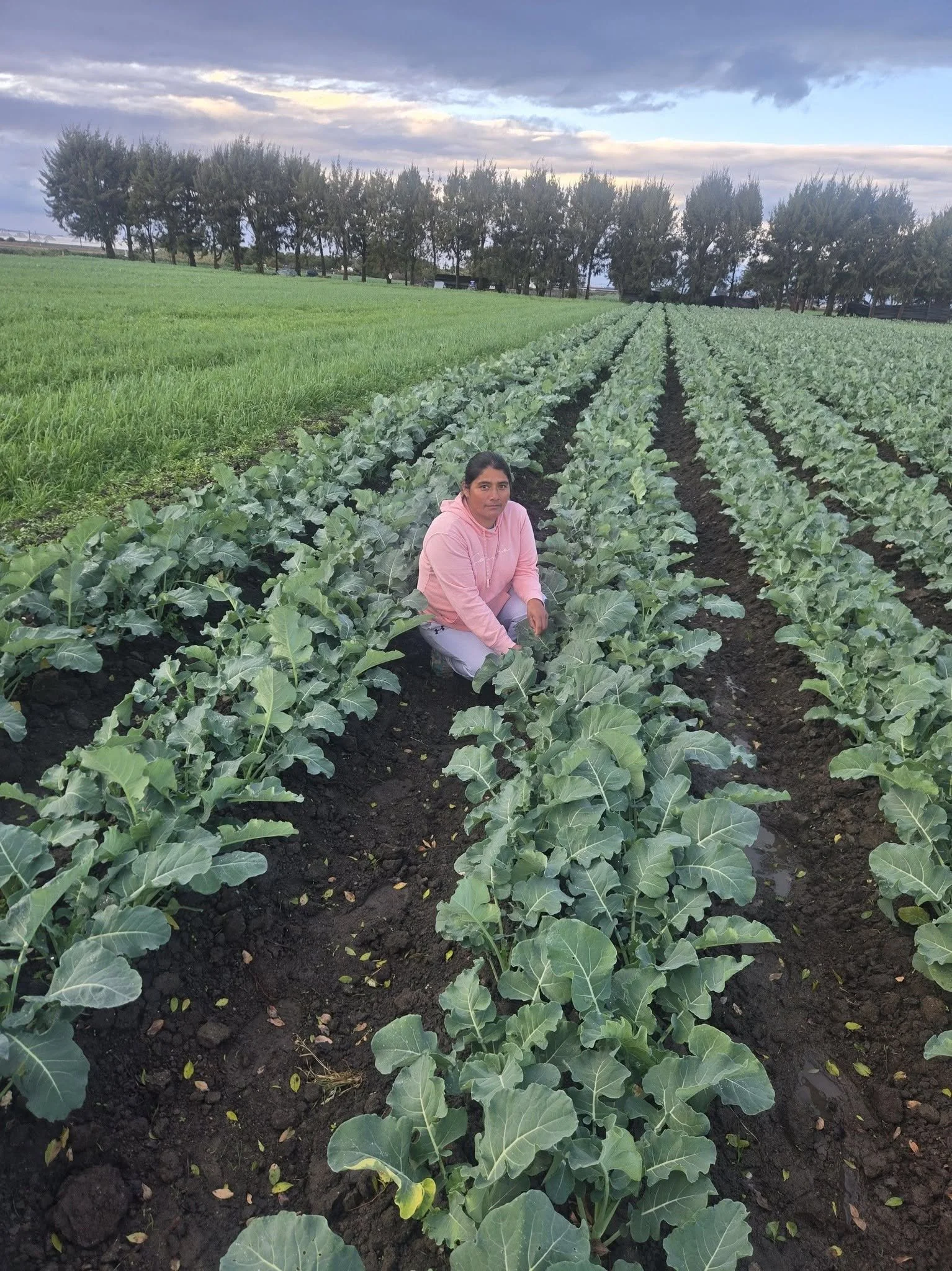
Caring
🍓
Strong
🌽
Rooted
🥕
Resilient
🥬
Brave
🌼
Skilled
Patient
🍄🟫
Creative
🍎
Connected
🌶️
Determined
🫐
Inspiring
🧅
Growing
🍅
Caring 🍓 Strong 🌽 Rooted 🥕 Resilient 🥬 Brave 🌼 Skilled Patient 🍄🟫 Creative 🍎 Connected 🌶️ Determined 🫐 Inspiring 🧅 Growing 🍅

Their stories
Their work
Their vision
Behind every farm is a story.
We spoke with women farmers and growers who collaborate with Esperanza Community Farms to learn about their journeys, the challenges they face, what keeps them growing, and their hopes for the future.
Their stories remind us that farming is more than growing food. It is about family, perseverance, knowledge, community, and creating possibilities for the next generation
Meet the Women Growers
Angeles Carrillo
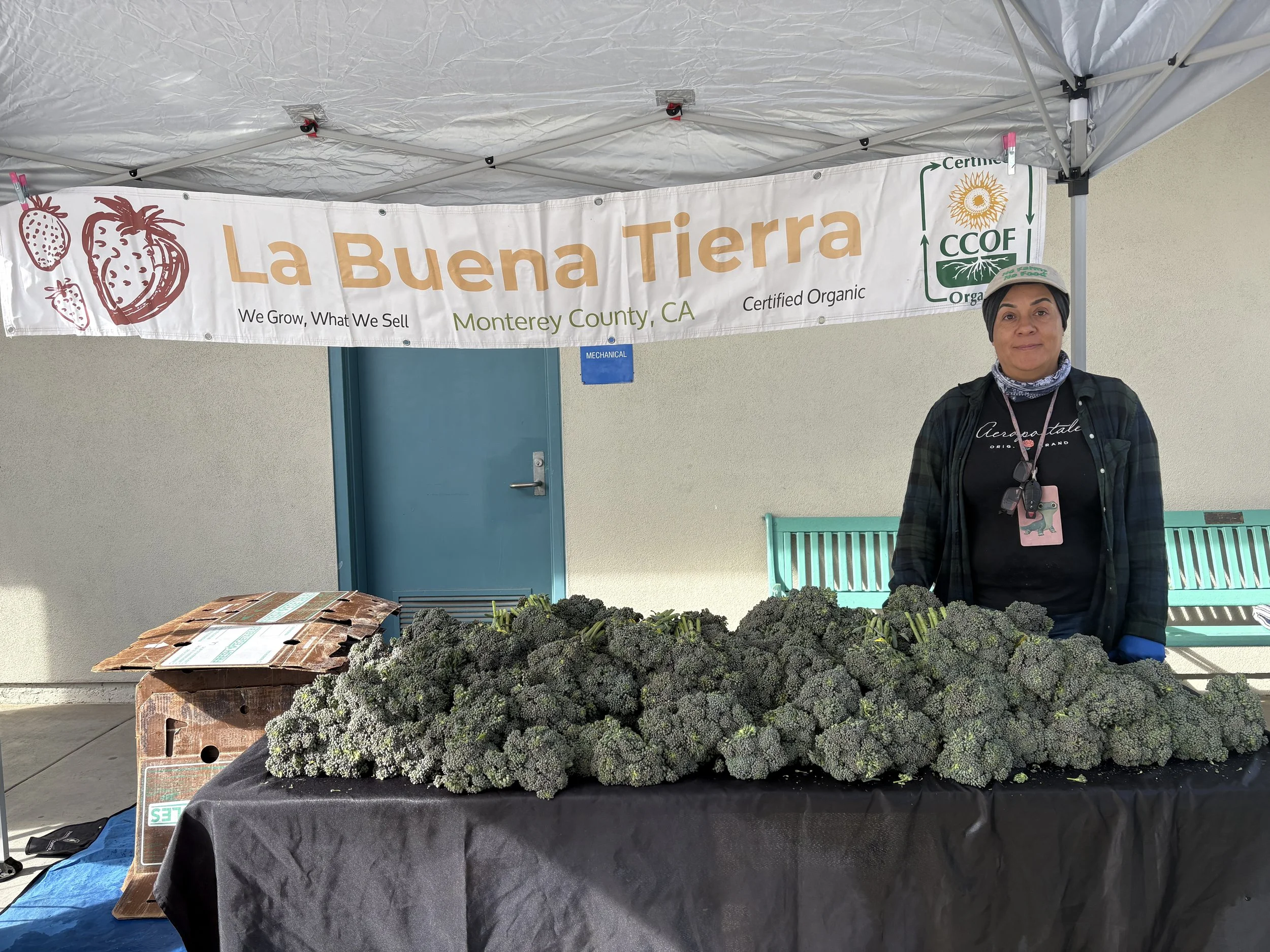
Head of La Buena Tierra-
I’m a Mexican woman and an organic farmer in the Salinas Valley, California. My farm is much more than a business; it is a return to my roots. Since I was a child, I was surrounded by agriculture in Michoacán, working alongside my grandfather and my father in the fields. That connection to the land always stayed with me. I studied architecture and practiced as an architect for 14 years; I am a graduate of UNAM (the National Autonomous University of Mexico). Although I was building structures, I felt something was missing—I believe agriculture was waiting for me.
A few years ago my life changed. Through the ALBA incubator program, I started over; I learned and became an entrepreneur in the field. I began with half an acre, learning from scratch and facing fears, mistakes, and challenges. Today, as a graduate of the program, I cultivate 6 acres in Chualar: one acre of strawberries and five acres of organic vegetables like kale, chard, broccoli, lettuce, cilantro, and cabbage, all with CCOF certification.
My primary motivation has always been my family. As a full-time mother, I needed a job that allowed me to be present while also being independent. La Buena Tierra gave me that and more: identity, autonomy, and strength. Farming allowed me to find myself again.
Being a farmer is not easy. There are pests, losses, and days that don’t go as planned. My first years were financially difficult but full of learning. Today, with steady customers and sales that have brought stability, I feel satisfied and proud of my growth, both personally and as an entrepreneur.
As a small farm led by a BIPOC woman, I believe in a food system that is more just, local, and inclusive. I believe in knocking on doors, in building relationships, and in growing without competing. In Esperanza Community Farms, I found something invaluable: recognition, community, and the certainty that my story matters; I also found hope. For me, agriculture is resilience, peace, and belonging. It is singing between the rows, thinking of Mexico, honoring my roots, and building a future for my children. I sow food, but I also sow dreams.
Sales Contact: www.paseacsa.com
Delia Martínez
Head of Organic Root Farms-
Delia Martínez Castro, a small-scale grower in the Central Coast Bay Area of California and owner of her own farm, Organic Root Farms. She is originally from Jilotepec, State of Mexico, and arrived in California in 2005.
Her professional journey began in 2023 when she took an agriculture course at California Career Technical Education. There she experimented with grafting and hydroponic agriculture, a key moment where, as she says herself: "I realized it was something I really liked."
Determined to move forward, she took classes at ALBA (Agriculture and Land-Based Training Association), where she rented her first 1.5 acres of land to grow Roma tomatoes and serrano peppers.
Delia is one of the growers who sells to Esperanza Food Hub. She has gradually been able to establish fixed prices for her customers: "...stabilizing prices has allowed me to invest for next year by renting more land so I can fulfill orders; these lessons have given me more confidence and more sales."
She tells us that her husband and daughters are a fundamental part of helping her with the land, deliveries, paperwork, and even with the language. As a mother, Delia is very clear about the goals she has for her family and always tells them: "Studying will always be the best. Whatever it is, make sure you like it so that when it's time to work, you enjoy doing it."
Looking toward the future, her goals are clear: "In two years, my goal is to grow more, rent more land, have employees... because right now practically everything sells," with the vision of "becoming independent in four years by renting land on my own, and finding two acres to plant."
To close, Delia shares her gratitude:
To ECF and PASEA: "Before... it was very difficult to find customers, maintain prices... The classes inspire you to keep moving forward. It feels like family with the farmers."
To the donors: "Thanks to the donations... many small entrepreneurs can continue dreaming of growing."
To the consumers: "Every product is grown with a lot of effort... every time we see that you buy and compliment our production, it makes us feel that my work is worthwhile."
Thank you for reading this story. If you or someone in your network is interested in doing business with Delia and helping strengthen the local economy, please contact her by email at: delia1990martinez1@gmail.com
Celsa Ortega
Induchucuiti Organic Farms-
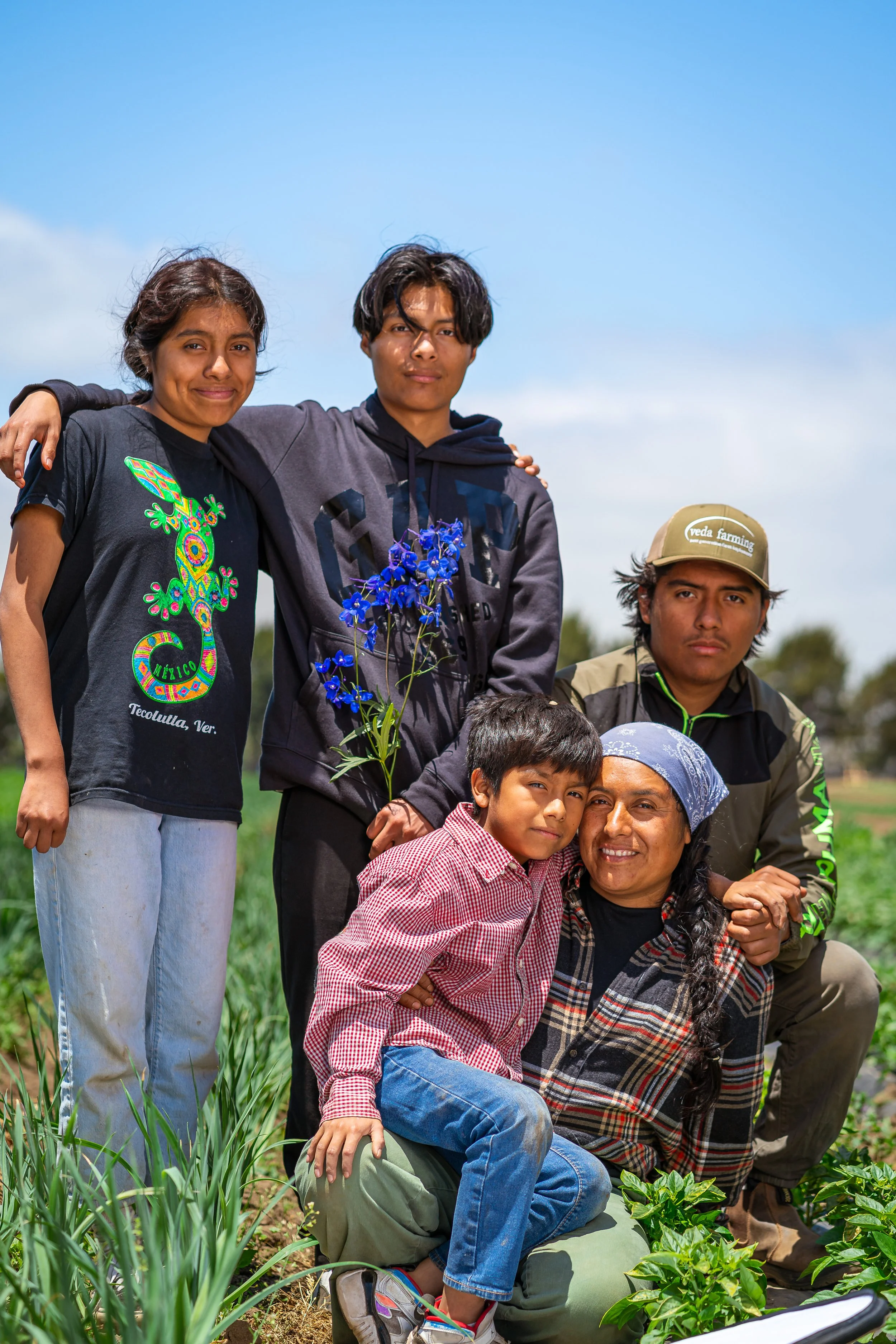
Celsa Ortega is originally from the Mixteca Alta region of Oaxaca.
She started the business in 2019 as a way to adapt to this country, since agriculture was the only place where she felt she could reconnect with a little of what she had left behind in Oaxaca.
Celsa worked for many years picking strawberries and cilantro in California. Then she found an opportunity to start her own business, Induchucuiti Organic Farms.
That was when her soul felt at peace—when she touched organic soil, because that was the way of life she and her family had grown up with.
She is the mother of three boys and one girl. She has always wanted to provide them with stability—not only financially, but also in education, health, and family unity. She knew the only way to provide that was to work hard, and she knew she was physically prepared for farm work. So, while working two jobs, she continued moving forward toward having her own business. From her previous experiences, she was able to adapt to demanding physical work while balancing two jobs, studying, and caring for her children. With a Nissan car—the only thing she had at the time—she kept moving forward through a very difficult and exhausting process. As she describes it, “In this country, you need a great deal of financial resources, preparation, and hard work to move forward.”
Being on the land, harvesting and growing food, made her feel happy and at peace. That is what gave her the resilience to continue building this business.
Celsa has participated in many trainings, courses, and events, where she has learned everything from becoming a more conscious mother to becoming a woman with greater skills and opportunities. Through these gatherings, she has built strong relationships within the community and found support groups and organizations that helped her during difficult times, including helping her pay the rent.
Through these trainings, she met groups of farmers who, like her, are in the process of running their own businesses. She has learned a great deal about managing a business through the trainings she has attended. Celsa has gained knowledge that has helped her improve her sales at farmers markets and negotiate with customers, including schools, kitchens, and other buyers.
Today, her farm is more stable, with stronger infrastructure, machinery, and production systems. Celsa is happy and proud of what she has built through tremendous effort—not only her own, but also with the support of her children.
Her oldest son is studying bookkeeping. He manages the business accounts, which allows Celsa to know where she should invest, how to manage expenses, and when the business needs to plan for loans or seek new customers so it can continue moving forward, remain sustainable, and keep producing. With his support, the business has become more stable and production has remained afloat.
Thanks to grants she has received as an independent organic small farmer, she has been able to invest in machinery. She has reduced production costs for her crops, added tunnels that help her grow her crops, and learned to be more strategic when making business investments.
Today, Celsa feels deeply grateful for what she has accomplished through her business. Seeing her family grow is something that brings her great happiness. “I am very satisfied and proud of my family’s achievements.”
Another one of her sons is pursuing a career in medicine and is completing his clinical training at Natividad Hospital. Her oldest son studies accounting. Her daughter is in high school, and her youngest is still at home with her.
“When I look back on the process, I see it as something beautiful. Something that, even though it was very difficult, I now appreciate because of how much it has changed our lives.” She is very proud because she now feels that she has reached a goal. She and her children are living together in a home that, although rented, provides them with housing and a dignified life. She knows the business will continue to change, just as the climate changes, and she knows they must adapt to climate change. But continuing to provide food will always remain the goal. They must continue educating themselves so they can take advantage of the opportunities offered by organizations and businesses working in this field.
Celsa has advice for the farmers who are in this struggle alongside her. She encourages them to “embrace the financial and educational loan opportunities that organizations such as Farm Together or the PASEA group offer each year,” and to invest in the areas where they are not as strong. In her case, she invests heavily in translators and education so she can learn more about the business and the market. She encourages farmers to know their business numbers, to be strategic and intuitive about where they invest, and to work hard and with commitment to achieve the goals they have in mind.
“Knowledge attracts wealth.” Celsa knows that the knowledge her parents and grandparents passed down to her lives in the practices she uses on her organic farm, and that this is what gives value to her products. Now is the time to build on that knowledge. She shares this message with her children so they can also carry this knowledge forward and apply it in the future.
This business gave her a sense of belonging and the opportunity to build a dignified and better life for herself and her family. She is proud that this opportunity also extends to her workers. At times, she has as many as six or seven farmworkers on the farm, picking, planting, and doing physically demanding work, while she, as the business leader, manages operations—securing sales, reviewing profits, negotiating and closing deals, and sometimes traveling long distances, such as to Sacramento, in search of new customers and new opportunities to keep moving forward.
Magdalena Lopez
Head of Tierra de Esperanza Organic Farms-
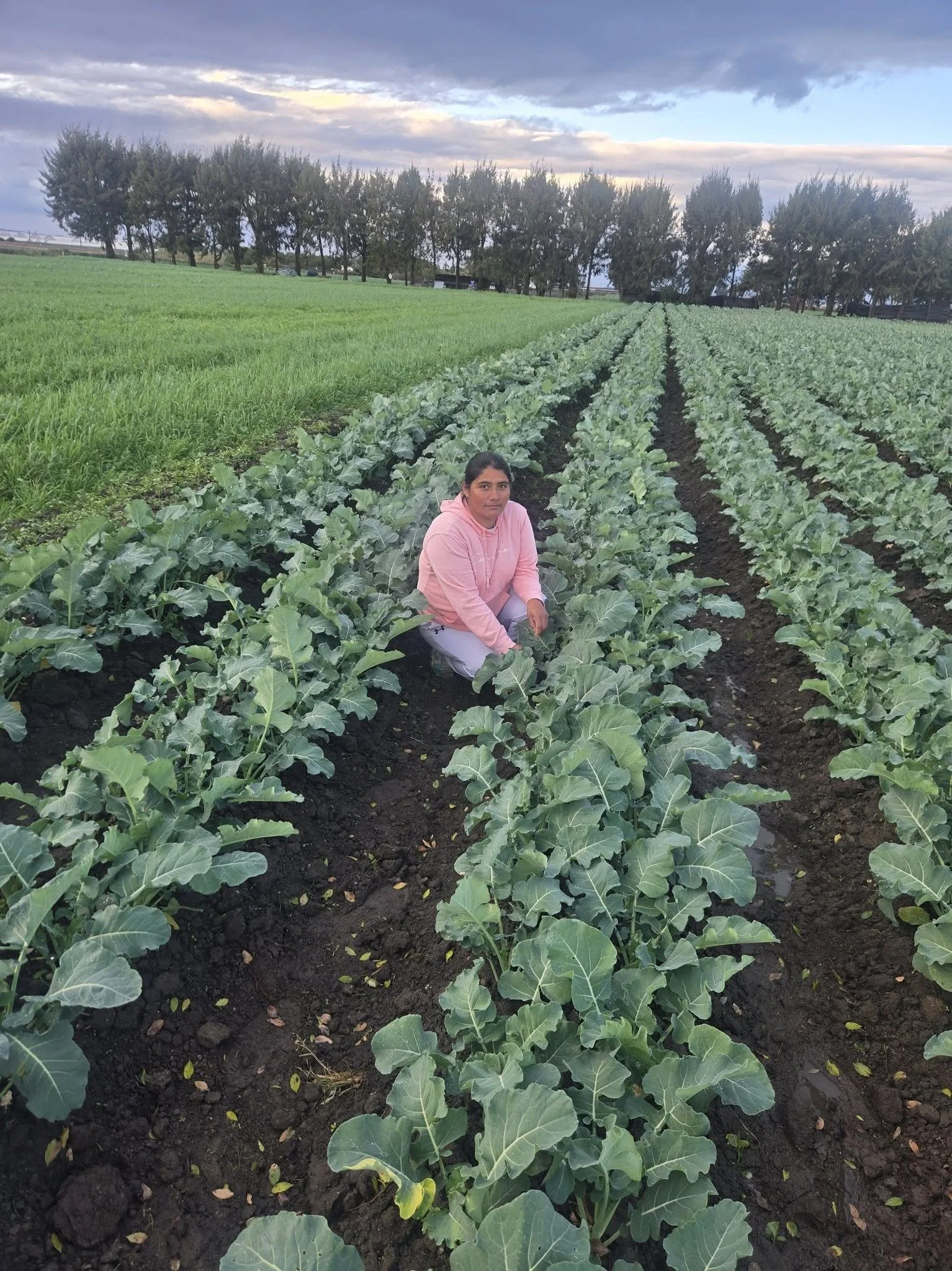
I am Magdalena López, I am 46 years old, and I am originally from the city of Oaxaca, from Ayoquesco de Aldama.
My business, Tierra de Esperanza Organic Farms, my husband and I started in 2013. That is why, for us, it is a family business. There are many challenges when starting a business on your own. Without a level of education, we don’t know what is required to run a business. The language is also a very big challenge. But for me, they are not impossible. I have taken accounting classes to learn about cash flow and to learn more about how to do my taxes. I have also taken workshops, courses, and classes in administration, and I rely a lot on guidance and advice. I have to understand that I need to take care of every area of my business in order to understand everything that my work involves.
I have also learned about marketing. Before, we didn’t know how our markets worked, but after taking courses, we know more now, and I would like to continue understanding and learning many more things to keep my business going and maintain it. Now we know what we need to plant so we don’t create losses, during which seasons, and with what care, always keeping organic practices ahead of any production. In English, we have been relying on translations, and now that there are apps on our phones, I have been able to practice and learn more English for better communication.
Being part of PASEA has contributed economically to me and has also given me knowledge. When I joined, I was just starting; I was in my first year with the business, and we didn’t have much vision. We didn’t even know how to connect with people. We were shy.
There, with PASEA, I learned how to negotiate and how to listen to those with more experience. What you learn in the fields helps you in the business. From the setbacks you experience, you learn how to sell and how to run the business. I learned from more experiences that have helped me have a broader vision and minimize risks. We are grateful to connect with more people and businesses that are surrounded by agriculture. These connections open doors for us, help people get to know us, and allow us to keep making connections. It is like a circle that keeps opening up to more people. When I entered this field of agriculture, it was like a bomb that fell and expanded, and I started picking up whatever I could to learn and grow. The bigger a business becomes, the more opportunities open up. With teaching and patience, PASEA has given us opportunities.
In five years, what I want to achieve is to continue growing and remain in the business, and to have my own equipment and machinery. I think that little by little we will grow. I want to make my farm profitable, even if it is small, to support my children. There is a very difficult part of this work, and that is keeping the land healthy and clean. For example, I have made some sacrifices to fight weeds in production and minimize the use of chemicals. We remove the weeds, and sometimes, because of a lack of tools, we do it by hand.
It is very hard, it takes many hours and a lot of effort. These are hours that I cannot spend with my children. That is why we are asking for financial donations or machinery donations to minimize this problem: weeds. We do not use pesticides because we do not want to harm the environment, so that the product can be as organic as possible.
We have three children. The oldest is 15, then one is 13, and the other is 11. They are in elementary and middle school. They help very little in the fields. They help us much more at home, with keeping things organized, taking care of things, and doing household chores. On weekends, they help us at farmers markets because of the language. The farmers markets we go to are Grand Lake Farmers Market in Oakland and in San Francisco. On those weekends, we wake up between 3 and 4 in the morning to set up the stand.
A message to those who consume our food: I would like to tell my customers and everyone outside of agriculture to take advantage of the opportunity to consume organic vegetables and fruits. They are healthy, and at the same time, we are protecting our own lives, theirs, and the soil. We cannot be healthy if we are feeding ourselves pesticides. Food without pesticides gives us a longer life for ourselves, our neighbors, our community, and our children. We are creating a better environment so that future generations can endure. What is the use if fruits are big if they are harmful? As long as we grow organically, we minimize that harm. I would like the community to consume more organic products. If you are interested in learning about my farm and my products, you can email maria.lopez72280@gmail.com
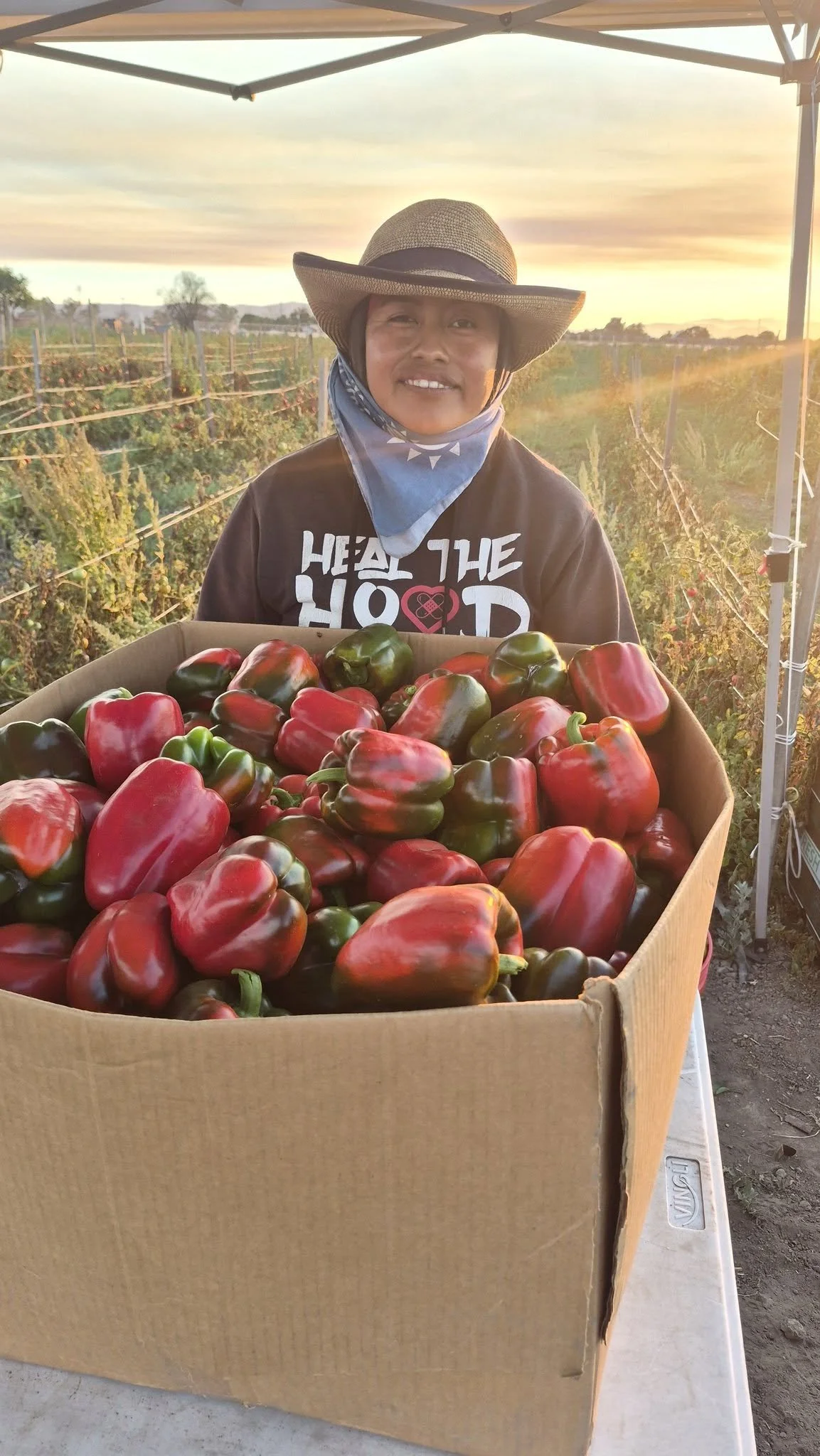
Emilia Santos
Head of Alfa y Omega Organic Farm-
Emilia is originally from El Porvenir, San Pedro el Alto, Oaxaca, and has lived in California for 17 years. Her business is located in Hollister, California, 95023, and she has been an entrepreneur in agriculture for four years.
Alfa y Omega Organic Farms is a family-owned business. Her children help her pick tomatoes, which they love, and her husband helps with planting, cleaning, harvesting, and continuing with the administrative tasks that are required. Now that Emilia manages her own time, she has the time to take them to and from school. A few years ago, Emilia could not do that because she worked a lot and hardly rested; they had to find babysitters.
On their small ranch, they grow celery, squash, zucchini, Mexican corn and sweet corn, broccolini, peppers, tomatoes, and a little bit of everything. Of all their products, the one they sell the most is tomatoes. During the winter, broccolini sells a lot.
She tells us that one of the most difficult parts she has faced in her business has been that, sometimes, she plants and cannot sell because there are no buyers, and ends up giving away the production or, in the worst cases, throwing it away. These challenges have been present because she believes that these days the market is full, meaning there is a lot of competition. Many people already have their customers, and large companies already have contracts with their suppliers.
Emilia has organic production where she does not use pesticides, and the few she uses are organic. She tells us that in order for her products to grow large, beautiful, and even, she needs to know which season is good for planting the different types of vegetables. This is very important because sometimes not everything grows evenly, and those products do not sell the same. Size also influences purchases. Conventional produce is large and shiny, but people do not know that this may be because it is grown using pesticides or chemicals. Sometimes people do not buy the small products that grow organically. As a small farmer, that hurts because the production is not always enough.
Despite knowing the pros and cons of being a 100% organic farmer, she continues learning. Recently, through PASEA, she has gained new knowledge, meeting other farmers and learning more about them, their experiences, and sharing fears and challenges. At PASEA, they create unity; sometimes they need products and they combine and support each other on large orders to create this unity among them.
PASEA has helped her because they take the time to give her classes. She does not ask for more because, for now, the help she has received has been enough. She is happy to belong to the PASEA group. Their support has been very good for her and her fellow farmers. She would recommend it 100%.
She would say that organic is the best. People in stores always look for the biggest produce, but she has spoken with some customers and there are some buyers who consume or look for smaller-sized vegetables because they know they are healthier, have more nutrients, and are better because they are organic, in addition to being able to support small farmers by purchasing their products.
In her life as an entrepreneur, she can now take time with her daughters, set her own price for her products, negotiate with the buyer, and set the price that her product is worth. Emilia’s life and day-to-day have improved because now she takes better physical care of herself and her family. Her breaks are no longer five minutes; now she takes care of her time. She takes great care of her workers and values them very much.
She has had a more dignified life. Many things that large companies do not allow, she can now do as an entrepreneur. Being an entrepreneur requires a lot of discipline: knowing how to take care of the water, time, administration, prices, among other things, such as learning English for paperwork and to close deals, but this has not been an obstacle for her. This allows them to survive, cover their expenses, and be able to hire people when they need them. Her husband, her brother, and she cover the work, but when it involves more work, they hire additional support.
As an entrepreneur, there are things she needs to invest in, such as a transplanter, since until now they plant by hand in their business, which takes them a lot of time. That is why today she raises her voice to share through this interview that she needs support with a transplanter machine, so she can move forward much faster. If you know someone who has one and is selling or donating it, let us know. Alfa y Omega Organic Farms: emiliasantos755@gmail.com

Beyond the Field
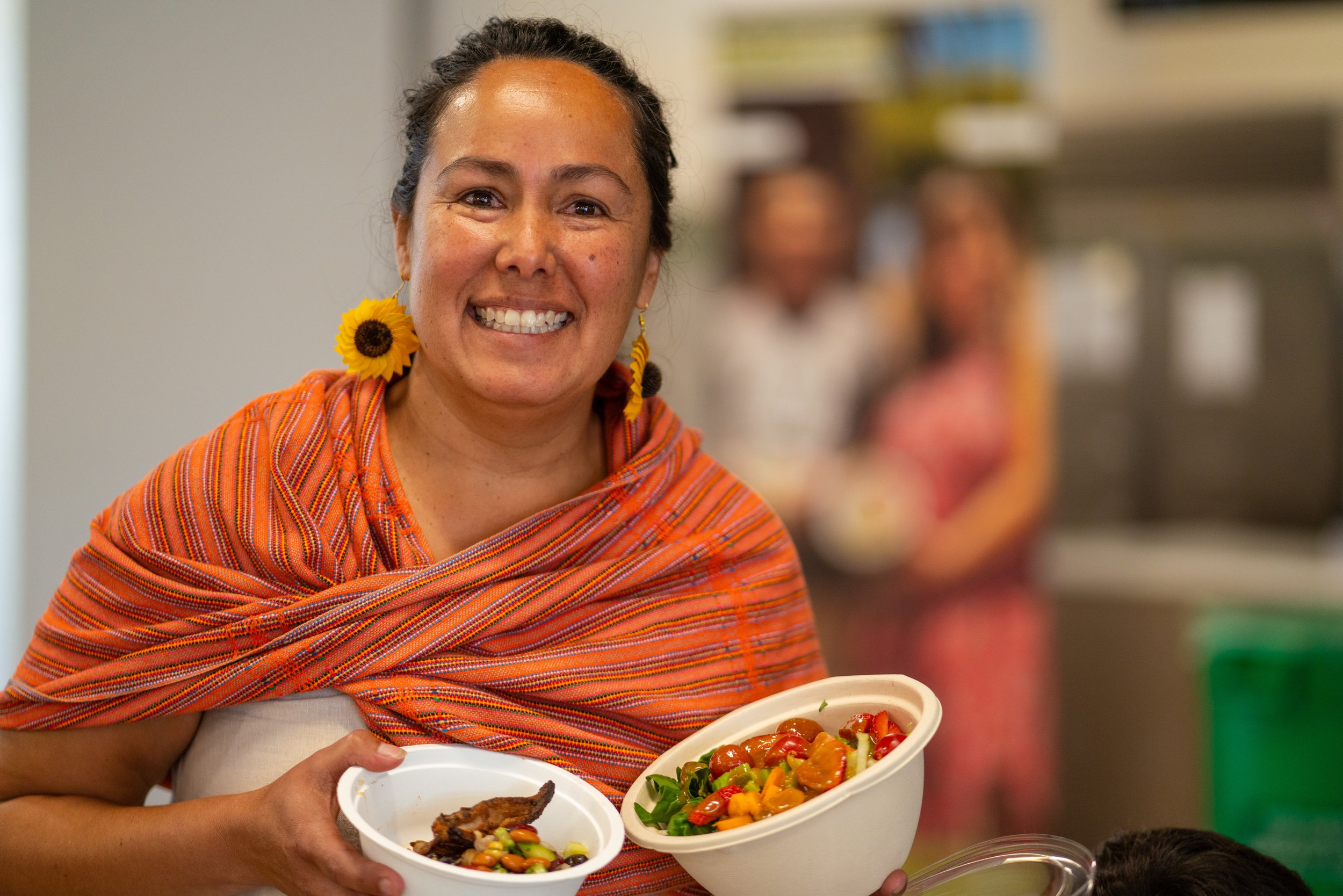
Mireya Gómez - Contreras
It is incredible to work with so many women farmers in this region of the country. On one hand, they possess a clear vision regarding the need for healthy farming practices. On the other, they are attuned to social needs. They love to farm and know deep down that the land provides for everyone. However, the struggle for visibility and recognition is real; they are often overshadowed not only by a social narrative that invariably portrays the white male as the archetypal "farmer," but also by narratives driven by large-scale agribusinesses, conventional marketing channels, and myths surrounding hunger, produce aesthetics, and federal and state agricultural safety regulations. I have no doubt that the health of a society is measured by the extent to which women farmers are fully empowered, have equitable access to resources, and are recognized as pivotal leaders in food security and community development.
Executive Director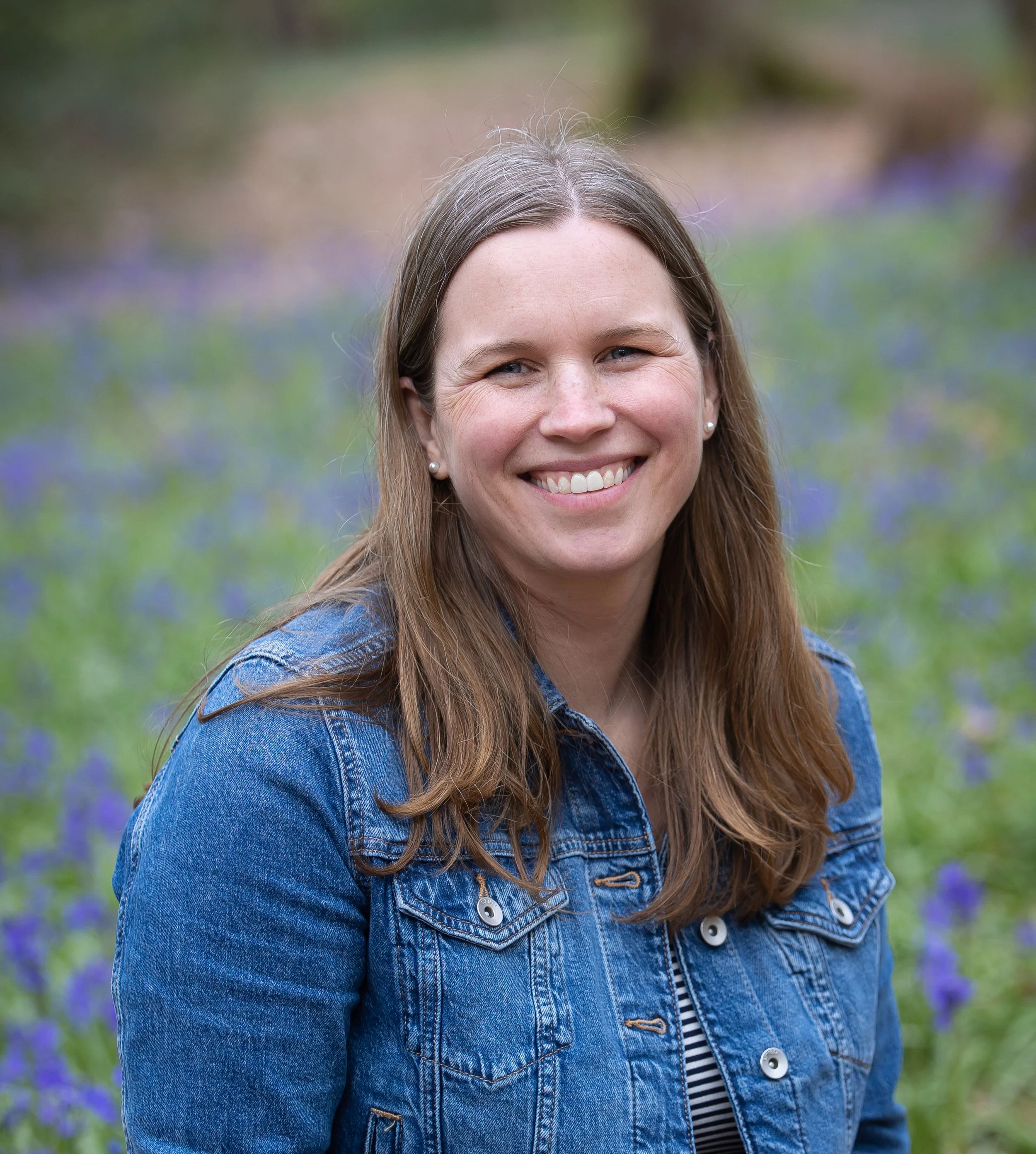
Working in agriculture and food systems is, for me, some of the most important work we can do as a community. At Esperanza, we sow seeds for the future, nourish our community, and protect the earth through organic agriculture. This work builds community strength to address the challenges we face. Supporting women in agriculture is essential. Globally, women represent 43% of the agricultural workforce, yet they own or operate fewer than 15% of farms. In contrast, at the Esperanza Food Hub, nearly half of the farm owners and operators are women. This is why I am so passionate about local food systems: they create opportunities to support small, organic farms that are making a difference.
Deputy DirectorDr. Courtney Scott
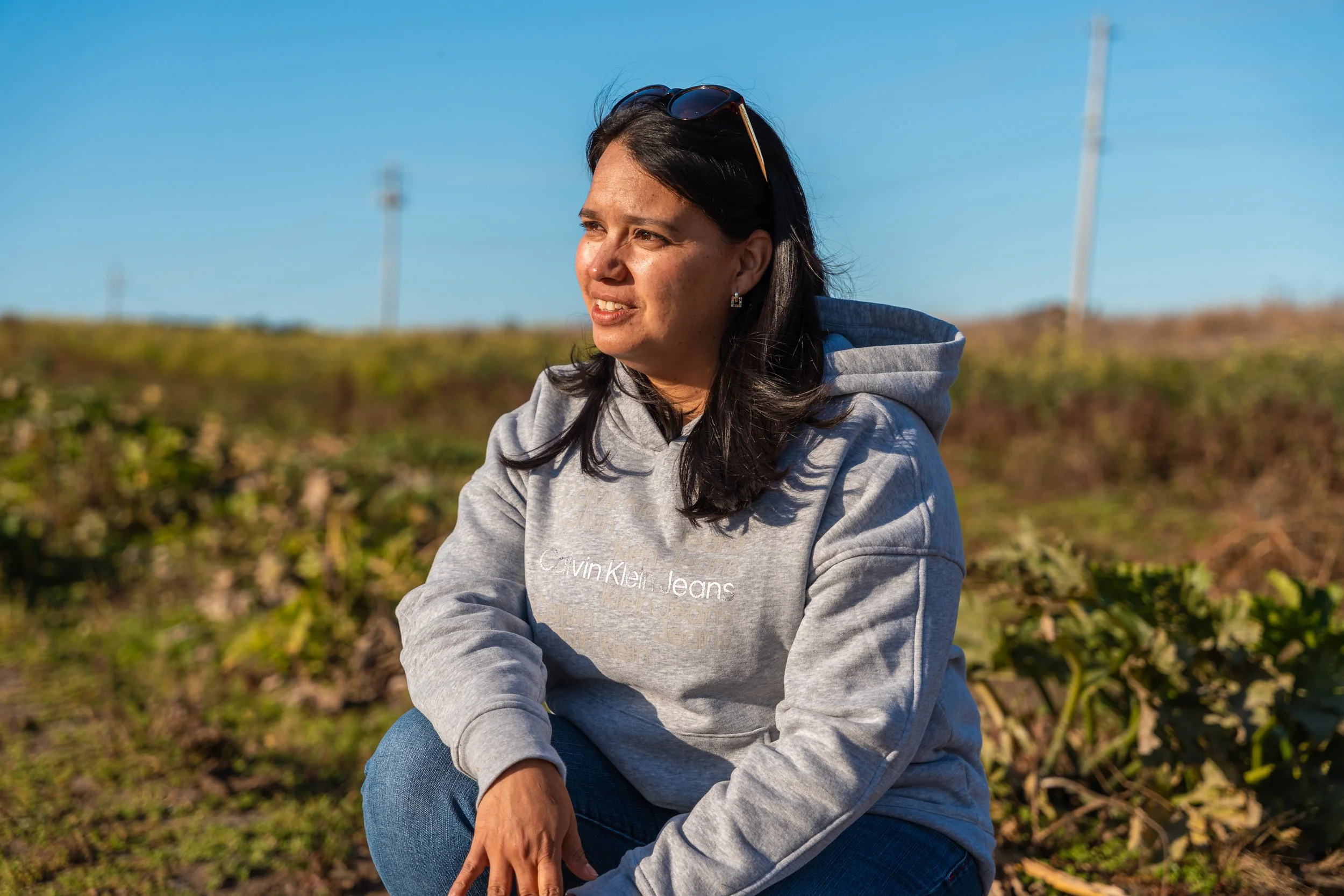
Aleyda Zerón
In this International Year of Women Farmers, we recognize the significant contributions, resilience, and dedication that women farmers bring to the agricultural system. I am particularly inspired by the role of women in agriculture, and I am grateful to contribute from the field of finance and to work alongside women farmers whose knowledge, hard work, and commitment ensure the food supply for our communities.
Finances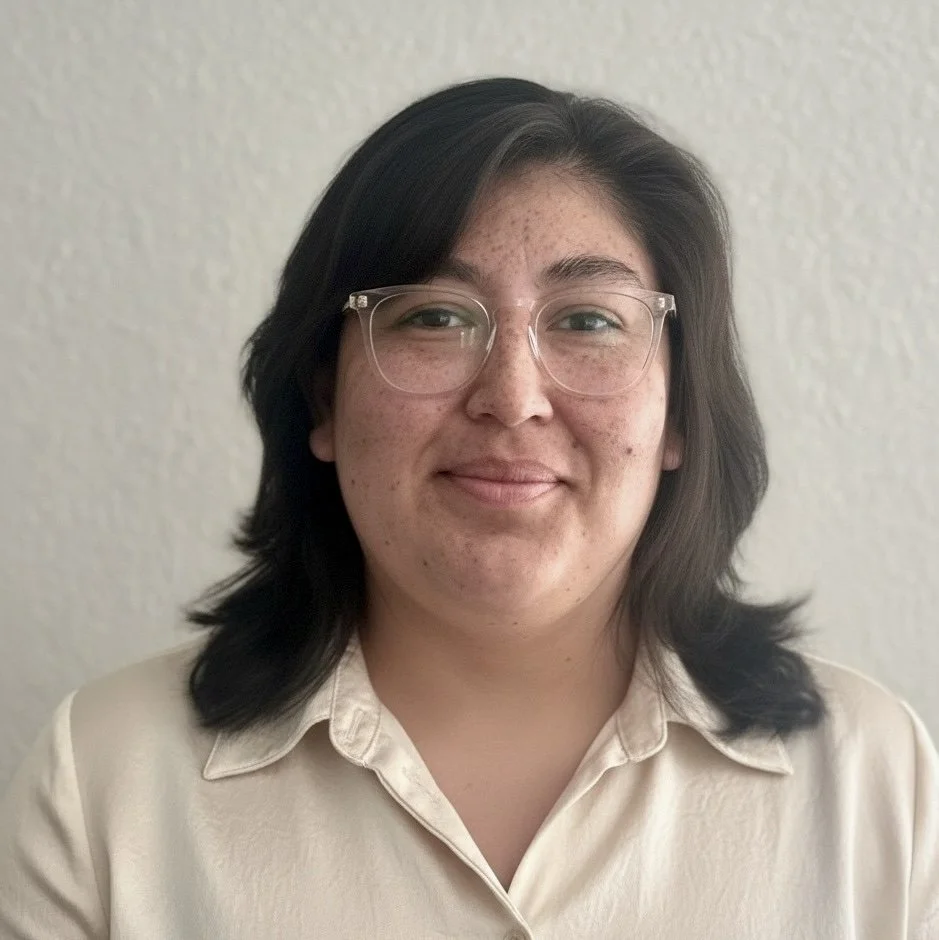
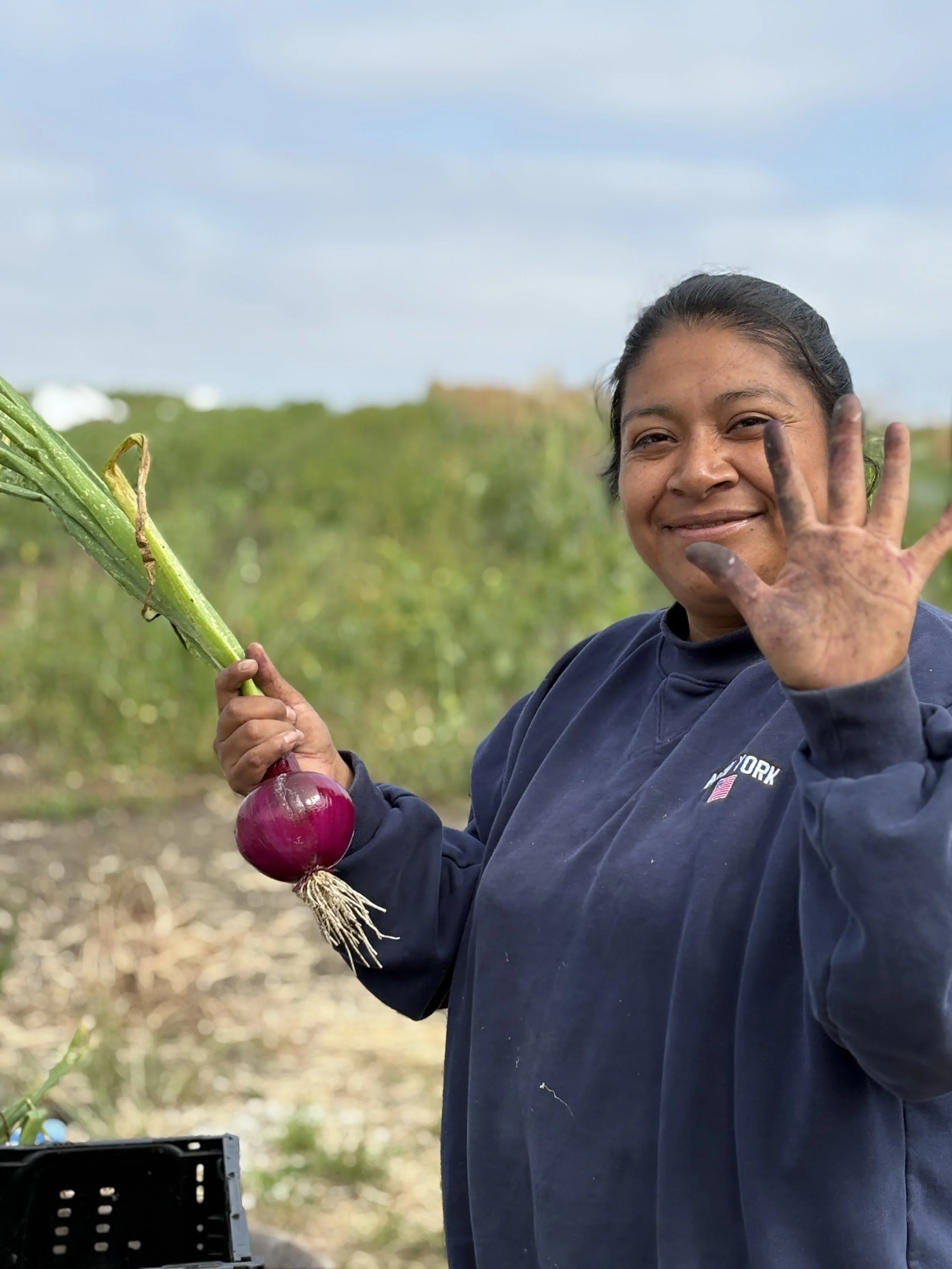
Yesenia Camacho - Bautista
Food Hub Operations ManagerWorking in our local agricultural sector has given me a deep sense of agradecimiento for the growers whose knowledge, hard work, and care help nourish our communities. Since joining Esperanza Community Farms and working directly with local organic farmers, I’ve gained a much deeper appreciation for everything that goes into bringing food from the field to our plates. Supporting growers with sales and logistics has put their incredible labor, persistence, and knowledge at the forefront for me. I’m especially grateful for the opportunity to work alongside and learn from women growers whose knowledge, labor, and leadership are so important to our local food system.
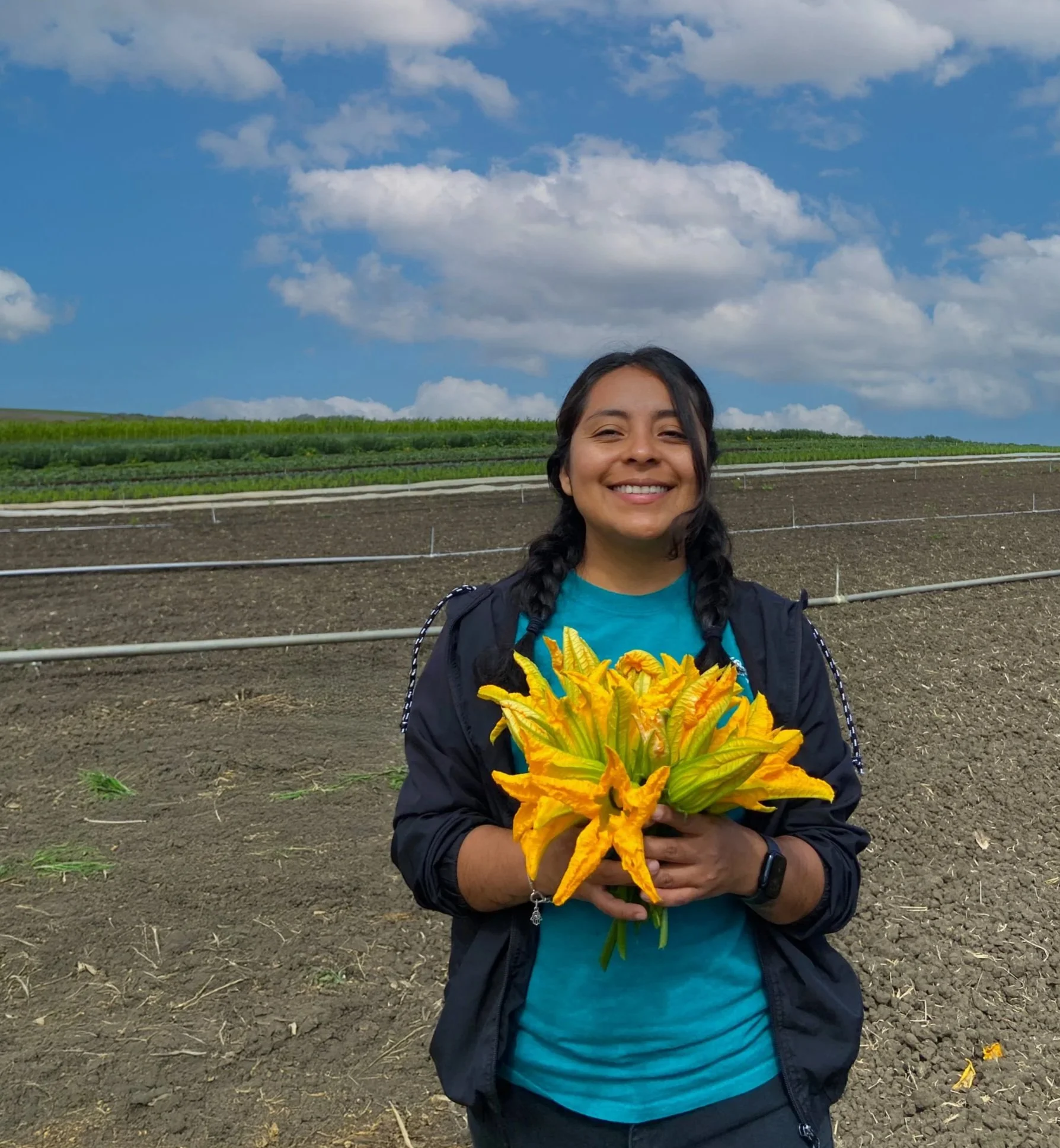
Leonor Mendoza
CSA CoordinatorWorking in agriculture means much more to me than simply working with the land. As a woman from a Ñuu Savi (Mixtec) background, I grew up surrounded by the knowledge, traditions, and teachings of my grandmother and the people in my community, who have always had a deep connection to the land and agriculture. Working alongside women in agriculture has been a meaningful learning experience for me and reminds me of how valuable and noble this work is. There is something powerful about knowing that our hands are part of choosing and harvesting the food that will eventually make its way to a local family’s table. For me, agriculture represents culture, knowledge, community, and the strength of women who continue to nurture both the land and the people around them.
Samantha Cruz
Communications SpecialistWorking in the agricultural sector as a communications specialist has truly revolutionized the way I practice my profession. It has allowed me to discover new ways of putting my knowledge and skills in service of a cause that I deeply value, especially in these times, and that makes me proud. For me, this means understanding my profession from a different place—not only as a tool for communication, but as a way to support processes, amplify voices, share, experience the generosity of the land, and contribute to building a fairer agricultural system filled with opportunities.

A Celebration in Their Honor
En Honor a Mujeres Agricultoras
This year, we want to bring our community together in person to celebrate the women who help grow and strengthen our local food system.
We are creating a limited-edition poster honoring the International Year of the Woman Farmer. Every sliding scale donation from $10-$100 helps support an upcoming celebratory gathering where women farmers and their allies will come together, share food, celebrate their contributions and get reinspired for the decade ahead!
Limited edition. Community-powered. Made to celebrate.
Edición limitada. Impulsada por la comunidad. Hecha para celebrar.
Eventbrite En Honor a Mujeres Agricultoras
Sunday, October 25 • 4 PM - 6 PM
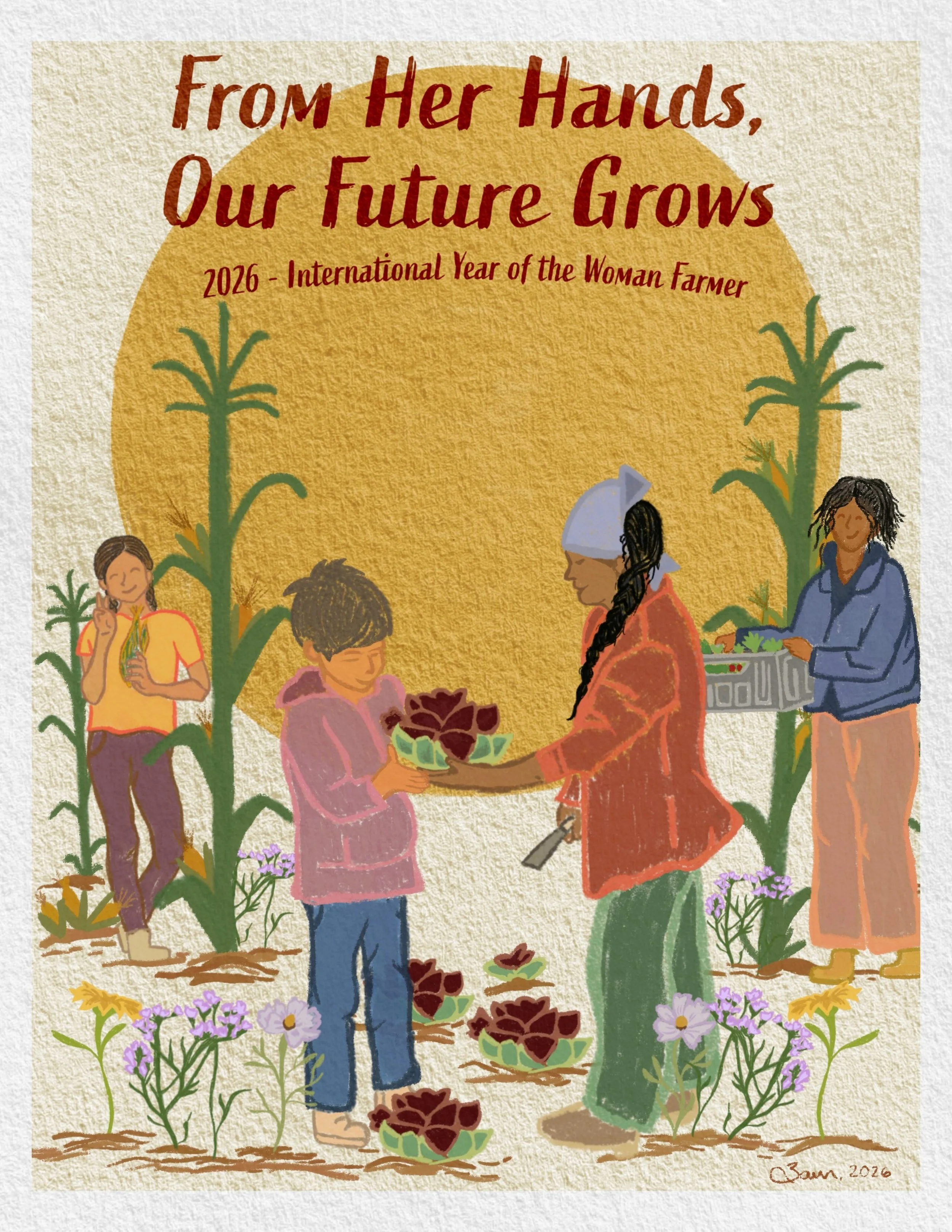
If you are interested in purchasing a poster like this, please send an email to samantha@esperanzacommunityfarms.org
One of the most direct ways to support farmers is to buy what they grow.
Through the Esperanza Food Hub, businesses, schools, restaurants, food programs, and other organizations can purchase fresh, organic produce from small local farmers.
Every order helps create markets for growers and keeps more resources circulating within our local agricultural communities.